
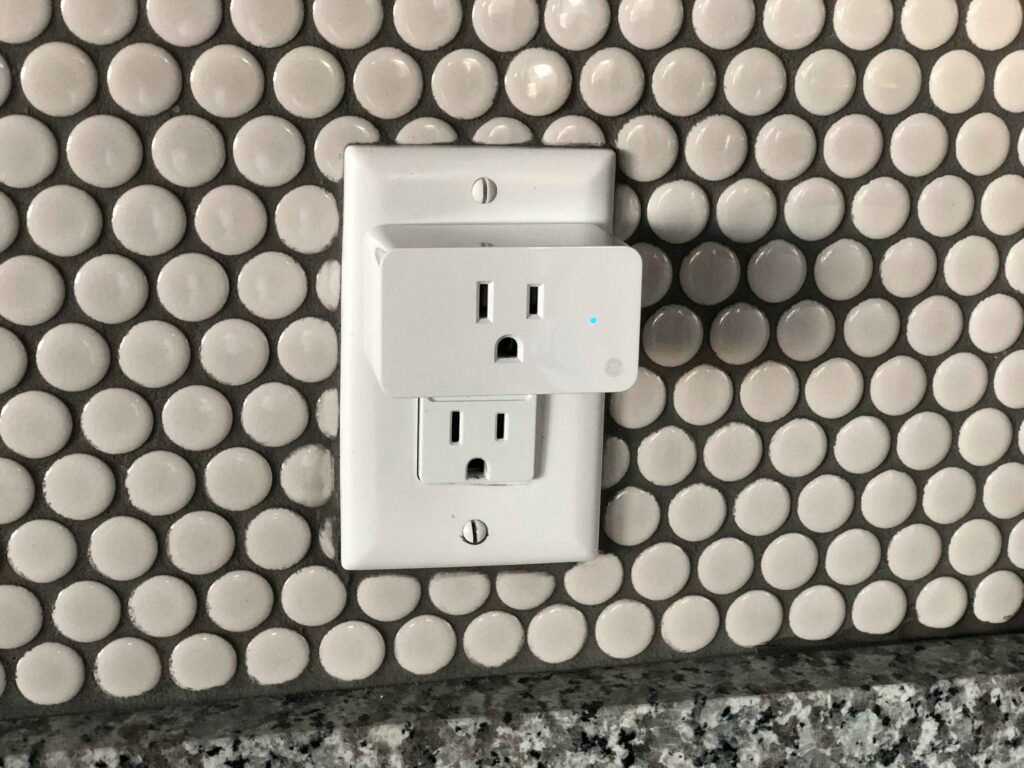
If your electrical outlet is not working but the breaker is fine, it can be confusing and frustrating. Everything else in the room may still have power, the breaker looks normal, and yet one outlet is completely dead. This is a common issue in many homes, especially older ones, and in most cases, there is a clear reason behind it.
When an electrical outlet is not working, it does not always mean there is a major electrical failure. Many outlet problems are caused by small issues that build up over time. Understanding what is happening helps you decide whether this is something minor or something that needs professional attention.
This guide explains the most common reasons an electrical outlet is not working even when the breaker has not tripped, what you can safely check, and when it makes sense to call for electrical help.
Why an Electrical Outlet Can Lose Power Even When the Breaker Is Fine
When an electrical outlet is not working but the breaker is fine, the issue is usually limited to that specific outlet or a small part of the circuit. The breaker protects the entire circuit, but individual outlets depend on internal wiring connections that can fail without affecting the breaker.
Many homeowners expect a tripped breaker whenever an outlet stops working. In reality, outlets rely on multiple connection points, and any one of them can loosen, wear down, or fail over time. This is especially common in older homes or outlets that get frequent use. In Arizona homes, prolonged heat can put added stress on wiring, outlets, and electrical connections inside walls and attics, which is why many homeowners notice electrical problems during warmer months.
Once you understand that the breaker can stay on while an outlet loses power, the next step is identifying what usually causes it. In most homes, the issue comes down to one of a few common problems that develop slowly over time.
Below are the most common causes electricians and handymen see when an electrical outlet is not working but the breaker is fine.
A Tripped GFCI Outlet Elsewhere in the Home
One of the most overlooked reasons an electrical outlet is not working is a tripped GFCI outlet located somewhere else on the same circuit. Bathrooms, kitchens, garages, laundry rooms, and outdoor outlets are commonly protected by GFCI devices.
A single GFCI outlet can control power to several standard outlets downstream. When it trips, it cuts power to all of them, even if they are in different rooms.
Before assuming the outlet itself is bad, check nearby areas such as:
- Bathrooms
- The garage
- Outdoor outlets
- The kitchen or laundry area
Look for a GFCI outlet with a reset button and press it firmly. In many cases, power is restored immediately, and the issue is resolved without further repairs.
Loose Wiring Inside the Outlet Box
Over time, wiring connections inside an outlet box can loosen. This happens more often in older homes or in outlets that are used frequently.
When wiring loosens, the outlet may stop working completely or work only some of the time. This is one of the most common reasons an electrical outlet is not working while everything else on the circuit appears normal.
Loose wiring is more than just inconvenient. It can lead to:
- Intermittent power loss
- Heat buildup behind the outlet
- Increased fire risk
If an outlet feels loose, does not hold plugs securely, or stopped working suddenly, loose wiring is often the cause.
A Worn or Failed Electrical Outlet
Electrical outlets are not designed to last forever. Each time a plug is inserted or removed, the internal contacts wear down slightly. After years of use, those contacts can lose their ability to maintain a proper connection.
A worn outlet may still look fine from the outside but fail internally. This is especially common in homes where outlets have never been replaced.
If your electrical outlet is not working and it has been in place for decades, replacement is often the safest and most reliable solution.
Backstabbed Wiring That Has Failed
Many homes have outlets wired using a method known as backstabbing. Instead of securing wires under screws, the wires are pushed into holes on the back of the outlet.
While this method saves time during installation, backstab connections are known to loosen over time. When they fail, power may stop flowing to the outlet or to other outlets connected further along the circuit.
This is a very common reason an electrical outlet is not working but the breaker is fine, particularly in homes built in the 1980s and 1990s.
One Dead Outlet Affecting Others on the Circuit
Outlets are often wired in a sequence rather than individually. If one outlet fails, it can interrupt power to other outlets connected after it.
This explains why:
- One outlet stops working
- Several outlets in the same area lose power
- The breaker never trips
A failed connection in one outlet box can quietly affect everything downstream. Finding the exact source usually requires proper testing and experience.
Signs the Outlet Problem Could Be Dangerous
Not all outlet problems are harmless. SomNot every situation where an electrical outlet is not working is harmless. Some outlet problems are early warning signs of a bigger electrical issue that should not be ignored.
Pay close attention if you notice any of the following:
- The outlet feels warm or hot to the touch
- Buzzing, crackling, or popping sounds coming from the outlet
- Discoloration or dark marks around the outlet cover
- A burning or melted plastic smell nearby
These signs often point to loose wiring, overheating, or damaged internal components. If the outlet stopped working after a power surge, storm, or heavy appliance use, internal wiring damage is also possible.
When an outlet shows any of these symptoms, avoid using it and do not try to force a temporary fix. Continuing to use a damaged outlet can increase the risk of electrical fires or further damage inside the wall.
What You Can Safely Check Before Calling for Help
Before assuming the outlet itself has failed, there are a few simple checks homeowners can safely do without tools or electrical experience.
Start by checking nearby GFCI outlets. Look in bathrooms, the garage, kitchen, laundry area, and outside. If you find a GFCI outlet with a reset button, press it firmly and see if power returns.
You can also check whether other outlets in the same room or nearby rooms are affected. This helps determine if the issue is limited to one outlet or part of a larger circuit.
Other safe steps include:
- Unplug all devices from the outlet and test it with a different plug
- Check if a wall switch controls the outlet
- Make sure the breaker is fully in the on position
If the outlet feels loose, warm, or shows visible damage, stop troubleshooting. At that point, the issue should be handled by a professional to avoid safety risks.
When to Call a Professional
If your electrical outlet is not working and basic checks do not restore power, it is time to call a professional. This is especially important if the outlet stopped working suddenly or if multiple outlets are affected.
You should also seek help if:
- The outlet works intermittently
- The breaker trips repeatedly
- The outlet shows signs of heat, noise, or burning
- You are unsure what is causing the issue
Electrical problems that seem minor often involve hidden wiring issues inside the wall. A professional can identify the root cause, repair or replace faulty components, and make sure everything is safe and up to standard.
Delaying repairs can lead to more extensive electrical damage and higher repair costs later.
Conclusion
When an electrical outlet is not working but the breaker is fine, the issue is usually isolated to the outlet or nearby wiring. Common causes include tripped GFCI outlets, loose connections, or worn-out outlets that can no longer hold power properly.
While some checks are safe to do, outlet problems should not be ignored, especially if there are signs of heat, noise, or burning. Taking care of the issue early helps prevent safety risks and avoids more costly electrical repairs later.
If an electrical outlet keeps failing or shows warning signs, having it checked by a professional is the safest next step.
Electrical Outlet Repair Services in Sun City West
If you are dealing with an electrical outlet not working in your Sun City West home, getting it checked sooner rather than later can help prevent safety issues and restore power quickly. Outlet problems are common in older homes and often come down to worn outlets, loose wiring, or failed connections that need proper attention.
At Sun City West Handyman, we provide electrical repair services in Sun City West to help homeowners with electrical outlet repairs and other common electrical issues. We proudly serve Sun City West, Surprise, Goodyear, Glendale, Peoria, Phoenix, and Anthem. Our focus is on diagnosing the problem accurately, fixing it safely, and making sure everything works the way it should.
If an electrical outlet in your home is not working or showing warning signs, contact us to schedule service and get the issue taken care of with confidence.